
What We've Learned Delivering Construction in Live SEMH Environments
Working within an operational SEMH school requires a different approach to construction.
Programme, quality, cost and safety remain fundamental, but successful delivery also requires an understanding of safeguarding, behaviour, communication, routine and the potential impact construction activity can have on pupils and staff.
For Helix CMS, these considerations are not theoretical.
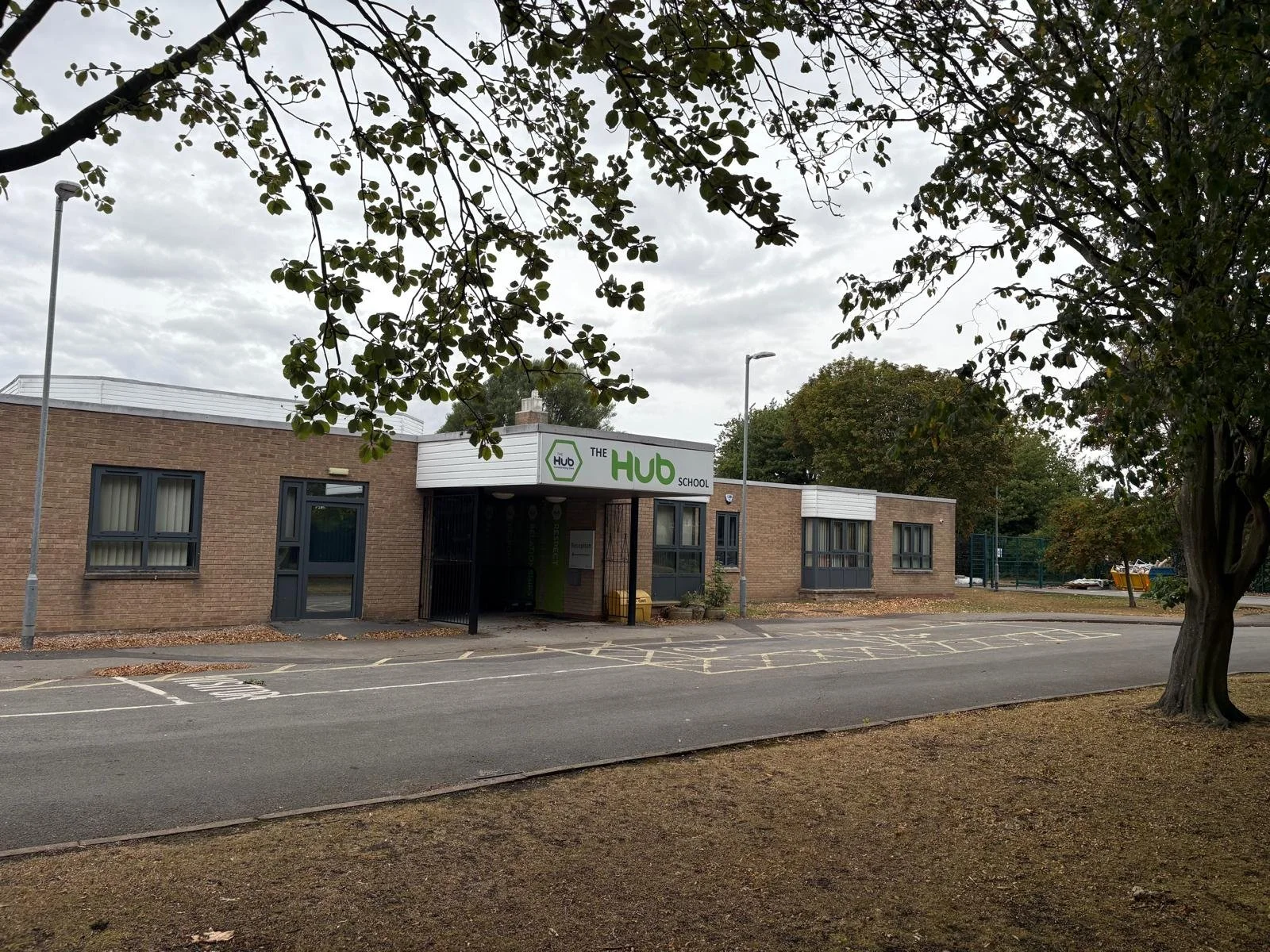
We are currently delivering construction projects within live SEMH environments at Brompton Hall School and The Hub School, building on our wider experience across education, healthcare and other sensitive operational settings.
And that direct experience is continually shaping how our teams approach specialist education projects.
Direct Experience at Brompton Hall School

At Brompton Hall School, Helix is delivering a £4m, 42-week phased refurbishment programme within an operational SEMH school for pupils aged 8–16.
The project presents a further challenge because the school's main building is Grade II Listed and the site sits within a Conservation Area.
Our programme includes structural repairs, stonework restoration, repairs and replacement of timber sash windows, roofing, a full electrical rewire, mechanical and BMS upgrades, fire-safety improvements, access controls, CCTV and landscaping.
Alongside those technical requirements, the project requires our team to carefully consider how construction activity interacts with the day-to-day operation of the school.
Strict safeguarding protocols, enhanced DBS checks, secure work zones, controlled access, bespoke inductions and close communication with school staff form part of the approach.
Our experience at Brompton Hall, together with our current work at The Hub School, continues to reinforce several principles that we believe are fundamental to successful construction within live specialist education environments.
Five Things We've Learned
1. Safeguarding Has to Shape the Construction Methodology
Safeguarding cannot simply be a policy document or an induction completed before somebody enters site.
It needs to influence how the entire project operates.
That includes access arrangements, site segregation, deliveries, movement of operatives, storage of tools and materials, security, working practices and communication.
At Brompton Hall, secure work zones, controlled access points and safeguarding protocols help maintain clear separation between pupils and construction activity. Enhanced DBS requirements and specific expectations around workforce behaviour provide another layer of control.
The objective is simple: construction activity must never compromise the safe operation of the school.
2. Understanding the Environment Comes Before Delivering the Programme
Every specialist education setting is different.
School leaders, teaching staff and support teams understand their pupils, routines and operational environment in ways a construction team cannot expect to learn from drawings and programmes alone.
Early engagement is therefore essential.
Understanding daily routines, pupil movement, access requirements, sensitive periods and potential behavioural or sensory triggers allows construction activity to be planned around the environment.
It changes the question from: "How do we deliver this programme?"
to: "How do we deliver this programme successfully within this particular school?"
That distinction matters.
3. Predictability and Communication Matter
Construction inevitably introduces change.
Hoarding appears. Access routes change. Deliveries arrive. Unfamiliar people are present. Activities can create noise, vibration and visual disruption.
For some pupils within an SEMH environment, unexpected changes to familiar surroundings or routines may create additional challenges.
Clear and consistent communication with school teams allows upcoming activities to be understood and managed.
Where appropriate, pupils can also be prepared for changes before they happen.
At Brompton Hall, for example, Helix introduced the project and construction team to pupils through a video presentation at the start of the project. The purpose was to help pupils recognise members of the team, understand what was happening around their school and reduce potential anxiety and disruption associated with unfamiliar activity.
Good communication within a specialist environment isn't simply stakeholder management.
It can be an important part of successful project delivery.
4. Site Behaviour Matters as Much as Site Controls
Hoarding, access controls and signage are important, but the behaviour of the people working behind those controls matters too.
Construction teams and supply-chain partners need to understand the environment they are entering and the expectations placed upon them.
That means appropriate language and behaviour, respecting boundaries, understanding how to respond to unexpected interaction with pupils and knowing when an issue needs to be referred to school safeguarding staff.
Our approach includes enhanced DBS checks alongside project and school-specific inductions, with clear expectations around professional behaviour and interaction within the school environment.
Working successfully in an SEMH environment therefore requires more than technically competent tradespeople.
It requires the right behaviours across the whole project team.
5. The Most Efficient Construction Sequence Isn't Always the Right One
Construction programmes are naturally designed around efficiency.
But within a live specialist education environment, there is another important question:
What impact will this activity have on the school?
Changing a delivery time, altering an access route, resequencing an activity or moving particularly disruptive works to a different period may appear less efficient when viewed purely from the construction programme.
But it can produce a significantly better outcome for the school and the overall project.
Our experience has reinforced the importance of aligning works with school timetables, coordinating intrusive activities with staff and maintaining emergency arrangements and essential access throughout construction.
Successful delivery requires balancing construction efficiency with safeguarding, education and operational continuity.
Building on What We Learn
Perhaps the most important lesson is that there is no single template for delivering construction within an SEMH environment.
Every school is different. Every pupil community is different. Every building and project brings its own constraints.
Our responsibility is therefore to listen first, understand the environment and adapt our delivery methodology accordingly.
The experience we are gaining at Brompton Hall School and The Hub School builds on Helix's wider background in education, healthcare and sensitive operational environments and is helping shape our approach to Specialist Education Development & Delivery.
We will continue to learn from our clients, school teams, specialist partners and, importantly, from the experience of delivering these projects.
Because within specialist education, successful construction isn't simply about what we deliver.
How we deliver it matters too.
Get in touch with the team.